
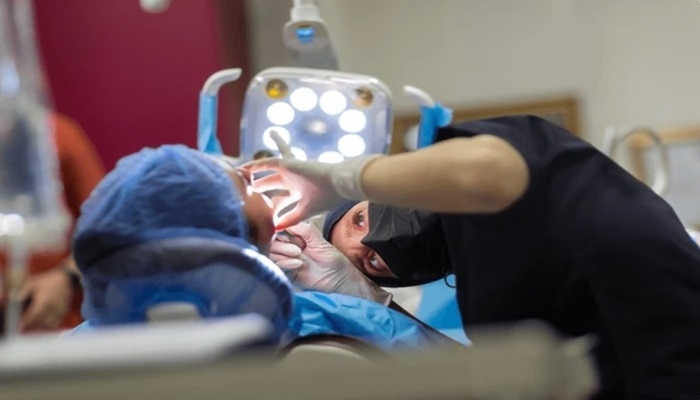
A gum graft is a dental procedure often recommended to treat gum recession or improve the aesthetics of your smile. If left untreated, gum recession can lead to exposed tooth roots, sensitivity, and even tooth loss, especially for patients with periodontal disease.
A gum graft helps cover the exposed areas of the tooth and restores gum tissue, protecting your teeth. After the procedure, it’s crucial to avoid hot foods that can irritate the healing gums. The surgery is typically performed by a periodontist, a specialist in gum health, and is highly effective in preventing further gum issues. During recovery, patients are advised to refrain from strenuous activity to promote proper healing.
This article will guide you through everything you need to know about gum graft surgery, including the procedure, how it works, and what to expect during recovery.
What Is Gum Graft Surgery?
A gum graft surgery is a periodontal procedure designed to restore lost gum tissue and protect your teeth from the damaging effects of gum recession. During the surgery, tissue is taken from either the roof of your mouth or a tissue bank and grafted onto the affected area where the gum recession has occurred.
“Schedule your expert consultation at Grove Dental Clinic in Falls Church, VA today! Call (703) 578-0000 to book your appointment now!”
This procedure not only enhances the health of your gums but also protects the tooth roots, preventing sensitivity and further decay. After the surgery, it’s recommended to eat soft foods such as cottage cheese and ice cream to avoid irritating the grafted area while it heals. Gum graft surgery is minimally invasive and plays a crucial role in restoring both function and appearance to the gums, promoting long-term oral health.
Types of Gum Grafts
There are three main types of gum tissue grafts, each designed to address specific needs in treating gum recession:
Connective Tissue Graft
This is the most common type of graft. Tissue is taken from the roof of the mouth (palate) and placed over exposed tooth roots. After being sutured in place, the tissue helps regenerate healthy gum tissue and protect the roots.
Free Gingival Graft
In this procedure, tissue is directly harvested from the roof of the mouth and grafted onto the gums. It’s ideal for patients with thin gums who need additional tissue to prevent further recession and maintain gum health.
Pedicle Graft
In a pedicle graft, tissue is taken from an area adjacent to the affected gum. The tissue is partially cut and repositioned to cover the exposed area, suitable for patients with sufficient healthy gum tissue nearby.
How Gum Graft Surgery Works
A gum graft surgery typically involves several steps to restore gum health and protect teeth from further damage. Here’s how the procedure works:
Preparation
Before surgery, your periodontist will numb the affected area with local anesthesia. A deep cleaning (scaling and root planing) may be performed to remove plaque or tartar around the receding gums. Post-surgery, consuming cool foods can help soothe the gums during recovery.
Tissue Removal
Depending on the type of graft, tissue is taken from the roof of the mouth for connective tissue or free gingival grafts, or donor tissue may be used, especially in allograft procedures.
Grafting Process
The harvested tissue is placed over the exposed roots and sutured securely. This ensures proper coverage of the recessed areas, aiding in gum regeneration and improving oral health.
Healing and Recovery
Once the graft is secured, the healing process begins. Over-the-counter pain relievers, like ibuprofen, can manage discomfort. The graft integrates with the surrounding tissue over time, restoring the gum’s protective function.
What to Expect During the Procedure
If you’re undergoing gum graft surgery, it’s natural to want to know what to expect. Here’s a breakdown of the procedure:
Before the Surgery
Your dentist or periodontist will review your medical history, discuss any medications you’re taking, and provide preparation instructions. You’ll likely receive a local anesthetic to numb the treatment area. If you have dental implants or a history of oral surgery, these factors will be considered.
During the Procedure
Once numb, the periodontist will take tissue from the roof of your mouth (for connective tissue or free gingival grafts) or from nearby healthy tissue (for pedicle grafts). The tissue is then grafted onto the receding gums. The procedure usually takes one to two hours, depending on the extent of the recession.
Post-Surgery
You may experience swelling or discomfort afterward, but your periodontist will provide pain relief medication and detailed care instructions. An antimicrobial mouthwash may be recommended to prevent infection and aid healing.
Post-Surgery Recovery
Recovery after gum graft surgery is typically smooth, but it’s important to follow your periodontist’s instructions to ensure proper healing. Here’s what you can expect during the recovery phase:
Initial Healing
In the first few days after surgery, you may experience mild swelling, discomfort, and sensitivity, depending on the extent of gum recession or treatment for gum disease. Your periodontist may prescribe pain medication or suggest over-the-counter options like ibuprofen.
“Schedule your expert consultation at Grove Dental Clinic in Falls Church, VA today! Call (703) 578-0000 to book your appointment now!”
Diet Adjustments
Stick to a soft diet for the first week or two to avoid irritating the grafted area. Opt for foods like yogurt, smoothies, mashed potatoes, and soups. Avoid hot, spicy, or crunchy foods that could harm the graft and increase infection risk.
Oral Hygiene
Maintaining oral hygiene is critical for a smooth recovery. Your periodontist may provide an antibacterial mouthwash to prevent infection and reduce plaque buildup. Be gentle while brushing and avoid the treated area until advised otherwise.
Stitches and Healing
If stitches were used, they will either dissolve naturally or be removed at a follow-up appointment. Full healing may take several weeks, but the initial recovery is typically 1-2 weeks.
Follow-Up Appointments
Attend all follow-up visits to monitor your progress. Your periodontist will ensure the graft is properly integrating with the surrounding tissue and that your gums are healing as expected.
Potential Risks and Complications
While gum graft surgery is generally safe and effective, as with any medical procedure, there are potential risks and complications to be aware of:
Infection
Though rare, infections can occur at the graft site. Your periodontist may prescribe an antibacterial mouthwash to prevent infection. Proper oral hygiene and post-surgery care are crucial for avoiding complications.
“Schedule your expert consultation at Grove Dental Clinic in Falls Church, VA today! Call (703) 578-0000 to book your appointment now!”
Graft Failure
In some cases, the graft may not integrate with surrounding tissue. If the graft doesn’t take, additional treatment or a second surgery may be necessary.
Bleeding and Swelling
Mild bleeding and swelling are common post-procedure. Excessive bleeding should be reported to your periodontist immediately. Swelling typically subsides within days, and ice packs or prescribed medication can help manage it.
Pain and Discomfort
Pain and discomfort are expected after gum graft surgery. Over-the-counter or prescribed pain relievers can help. It’s essential to avoid irritating the graft site during healing.
Sensitivity
Some patients may experience increased tooth sensitivity around the roots after surgery. This typically decreases as the graft heals and gum tissue regenerates.
Benefits of Gum Graft Surgery
Undergoing gum graft surgery provides several important benefits, both for your oral health and aesthetics. Here are the key advantages:
Protection Against Gum Recession
A key benefit of gum graft surgery is protecting teeth from further gum recession. Recession exposes roots, increasing the risk of decay, sensitivity, and tooth loss. A gum graft covers exposed roots, offering long-term protection.
Reduced Tooth Sensitivity
Gum recession often causes heightened sensitivity to hot or cold foods. A successful gum graft restores gum tissue over the roots, reducing sensitivity and making eating and drinking more comfortable.
Improved Aesthetics
Gum graft surgery enhances the appearance of your smile. Receding gums can make teeth look longer and uneven. Restoring gum tissue improves symmetry, resulting in a healthier-looking smile.
Prevention of Further Damage
Gum graft surgery stabilizes gum health by preventing future tissue loss, reducing the risk of gum disease, tooth decay, and bone loss, while promoting a healthier oral environment.
Long-Term Oral Health
Restoring gums strengthens overall oral health. A healthy gum line protects teeth and provides a strong foundation for long-term dental health.
“Schedule your expert consultation at Grove Dental Clinic in Falls Church, VA today! Call (703) 578-0000 to book your appointment now!”
When to Contact Your Dentist
It’s important to know when to reach out to your dentist or periodontist after undergoing gum graft surgery. Here are some instances when you should contact your dental professional:
Excessive Bleeding
While minor bleeding is normal after surgery, persistent or excessive bleeding that doesn’t stop with pressure requires immediate contact with your dentist, as it may indicate a complication.
Severe Pain
You should expect some discomfort during recovery, but if severe pain persists despite pain medication, contact your dentist to determine if additional treatment is necessary.
Signs of Infection
Redness, swelling, or pus around the surgical site, or the development of a fever, may signal infection. Promptly contact your dentist to prevent further complications.
Graft Failure
If the grafted tissue appears to detach or isn’t healing properly, report it to your periodontist. Early detection allows for corrective action before the condition worsens.
Unusual Sensitivity or Discomfort
If you experience worsening or unusual discomfort near the graft site, report it to your dentist for further evaluation.
Follow-Up Care
Attend all follow-up appointments to ensure proper healing and to receive additional guidance on long-term gum care. Your dentist will monitor your progress during these visits.
Conclusion
In conclusion, gum graft surgery effectively treats gum recession by reducing tooth sensitivity, improving your smile, and preventing further damage. The procedure is straightforward, and recovery is manageable if you follow aftercare instructions. Understanding the process and recovery helps ensure the best outcome.
Regular follow-up visits and good oral hygiene habits are essential for maintaining the health of your newly grafted gums.
At Grove Dental Clinic in Falls Church, VA, we’re dedicated to helping our patients achieve optimal oral health year-round.
Schedule your expert consultation at Grove Dental Clinic in Falls Church, VA today! Call (703) 578-0000 to book your appointment now!


