
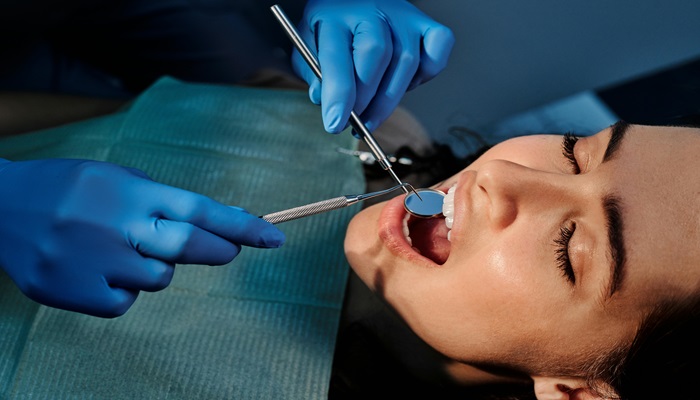
Restorative dentistry is essential for maintaining and enhancing oral health, as it focuses on diagnosing, preventing, and treating oral diseases while restoring the function and aesthetics of teeth. This specialized branch of dentistry offers a range of solutions, from fillings, crowns, and bridges to dental implants and traditional dentures, to repair damaged or missing teeth.
These treatments not only improve the appearance of your smile but also restore its functionality, allowing you to eat and speak comfortably. Additionally, restorative dentistry includes tooth extractions when necessary, and understanding the healing process after such procedures is crucial for successful recovery.
By learning about the importance and scope of restorative dentistry, individuals can make informed decisions about their oral health and pursue the appropriate treatments to maintain a healthy, beautiful smile.
What is Restorative Dentistry?
Restorative dentistry is a specialized field that focuses on diagnosing, preventing, and treating oral health issues to restore the function and appearance of teeth. This branch of dentistry addresses a wide range of problems, from cavities and broken teeth to missing teeth and gum disease.
Dental Herb Company – Tooth & Gums Tonic
The primary goal of restorative dentistry is to restore the natural function of teeth, ensuring a healthy mouth, which is crucial for overall health and well-being. Through various procedures, restorative dentistry helps maintain a strong bite, supports facial structure, and contributes to a confident, aesthetically pleasing smile.
Restorative dentistry includes a variety of procedures designed to repair damaged teeth, replace missing teeth, and improve overall oral health. Common restorative procedures include fillings, crowns, bridges, dentures (including temporary dentures, permanent dentures, and same-day dentures), and dental implants.
Fillings treat cavities by removing decayed areas and filling them with materials like composite resin or porcelain. Crowns, which are caps placed over damaged teeth, restore their shape, strength, and function. Bridges replace one or more missing teeth by anchoring artificial teeth to adjacent natural teeth or dental implants.
Dentures, whether they are conventional, temporary, or custom dentures, serve as removable replacements for missing teeth and surrounding tissues. Dental implants offer a more permanent solution, providing a stable foundation for fixed or removable replacement teeth. Post-extraction, soft foods are recommended to aid in the healing process and ease the transition to eating with new dental work.
One of the key distinctions between restorative dentistry and cosmetic dentistry is the focus on function over aesthetics. While cosmetic dentistry aims to enhance the appearance of teeth, restorative dentistry prioritizes restoring the natural function of teeth, though many restorative procedures also improve the appearance of the smile.
Restorative treatments address issues such as tooth decay, trauma, or wear, helping patients achieve a healthy, functional, and aesthetically pleasing smile. Follow-up visits are crucial in restorative dentistry to ensure the success of treatments and to make any necessary adjustments, particularly with dentures, where proper care is essential for maintaining both comfort and functionality.
Common Procedures in Restorative Dentistry
Restorative dentistry encompasses a wide range of procedures aimed at repairing and restoring the function and appearance of damaged or missing teeth. Here are some of the most common restorative dentistry procedures:
Fillings: Fillings are among the most basic and widely used restorative dentistry procedures. They treat cavities caused by tooth decay by removing the decayed portion of the tooth, cleaning the area, and filling it with a material like composite resin, amalgam, gold, or porcelain. Fillings restore the tooth’s shape and function, prevent further decay, and maintain the tooth’s structural integrity.
Crowns: Crowns, also known as caps, are custom-made to cover and protect damaged or weakened teeth. They fit over the entire tooth, providing strength and improving the tooth’s appearance. Crowns are typically made from materials like porcelain, ceramic, or metal. They are used to restore teeth that have undergone significant decay, have large fillings, or have been cracked or broken.
Bridges: Bridges are used to replace one or more missing teeth by anchoring artificial teeth to adjacent natural teeth or dental implants. A bridge consists of one or more pontics (false teeth) held in place by crowns on either side. This procedure helps restore the appearance and function of the smile, preventing remaining teeth from shifting out of position and maintaining proper bite alignment.
Dentures: Dentures are removable appliances used to replace missing teeth and surrounding tissues. There are several types of dentures, including complete dentures, which replace all the teeth in either the upper or lower jaw, and partial dentures, which replace only a few missing teeth.
Temporary dentures serve as a short-term solution while waiting for permanent dentures, which are custom-fitted to the patient. Dentures help improve chewing, speech, and overall facial structure, providing support to the cheeks and lips.
Dental Implants: Dental implants are a more permanent solution for missing teeth. They involve surgically placing a titanium post into the jawbone, which serves as an artificial tooth root. Once the implant integrates with the bone, a crown is attached to the post, providing a natural-looking and stable replacement tooth. Dental implants offer excellent durability and function, making them a popular choice for tooth replacement.
Inlays and Onlays: Inlays and onlays are used to repair teeth with moderate decay or damage that do not require a full crown. Inlays are placed within the cusps of the tooth, while onlays cover one or more cusps. They are typically made from materials like porcelain or composite resin and provide a strong and aesthetically pleasing restoration.
Root Canals: Root canal therapy is necessary when the pulp inside a tooth becomes infected or inflamed. The procedure involves removing the infected pulp, cleaning and disinfecting the root canals, and sealing them with a filling material. A crown is usually placed over the treated tooth to restore its strength and function.
These common restorative dentistry procedures are essential for maintaining oral health and ensuring that teeth function properly Comprehensive Guide to Dental Restoration Procedures and Advantages. Whether it’s filling a cavity, replacing a missing tooth, or restoring a damaged tooth, restorative dentistry offers solutions that enhance both the health and appearance of your smile. Proper care and regular dental check-ups are vital to the success of these treatments, ensuring they last and function well over time.
Benefits of Restorative Dentistry
Restorative dentistry provides numerous benefits that greatly enhance both oral health and overall well-being. One of the key advantages is the restoration of natural tooth function, enabling individuals to eat, speak, and chew properly—essential for maintaining a balanced diet and overall health. Additionally, restorative dentistry can alleviate pain and discomfort caused by dental issues such as cavities, fractures, and missing teeth. By addressing these problems promptly, patients can avoid more severe complications, such as infection at extraction sites, and reduce the need for more extensive treatments in the future.
Another significant benefit of restorative dentistry is the improvement in the appearance of teeth and smiles. Procedures like fillings, crowns, and dental implants not only restore function but also enhance aesthetics, which can boost self-confidence and improve social interactions.
TheraBreath Healthy Gums Mouthwash Clean Mint
For those using dentures, the use of denture adhesives can further improve comfort and stability, ensuring that denture teeth function effectively while maintaining a natural appearance.
Furthermore, restorative dentistry plays a crucial role in preventing further dental problems. For example, by filling cavities and restoring damaged teeth, it helps halt the progression of tooth decay and prevents the spread of infection.
This preventive aspect is vital in protecting extraction sites and other vulnerable areas from future issues. Overall, restorative dentistry offers comprehensive solutions that improve oral health, functionality, and appearance, leading to a better quality of life.
The Restorative Dentistry Process
The restorative dentistry process involves several essential steps, each designed to ensure the best possible outcomes for oral health and functionality. The journey typically begins with an initial consultation, during which the dentist thoroughly examines the patient’s mouth, discusses symptoms and concerns, and takes necessary X-rays or scans to evaluate the condition of the teeth and gums.
This is particularly important at the time of extraction, as it allows for a comprehensive assessment of how best to proceed. Following this assessment, a personalized treatment plan is developed to address the specific dental issues identified. Depending on the patient’s needs, this plan may include procedures such as fillings, crowns, bridges, or implants.
During the treatment phase, the dentist will perform the necessary restorative procedures, often starting with less invasive treatments and progressing to more complex interventions as required. Pain management and patient comfort are key priorities throughout the process, with options such as local anesthesia and sedation available to ensure a smooth experience.
Oral-B Glide Pro-Health Dental Floss
For those receiving dentures, proper guidance on how to care for them, including how to handle dentures with care and prevent the accumulation of food particles, is also provided. This helps maintain the function and longevity of the dentures, allowing patients to enjoy a variety of foods without discomfort.
After the procedures are completed, follow-up appointments are scheduled to monitor healing and ensure the success of the treatment. Patients receive detailed aftercare instructions to help them maintain their restored teeth and prevent future problems. This comprehensive approach not only addresses existing issues but also promotes long-term oral health and functionality, enabling patients to enjoy a diverse diet and improved quality of life.
Choosing the Right Dentist
Choosing the right dentist for restorative dentistry is crucial to ensuring successful treatment outcomes and maintaining your overall oral health, especially if you’ll be undergoing procedures over an extended period. When selecting a dentist, it’s important to consider their qualifications and experience in restorative procedures.
Opt for a dentist who has specialized training and a proven track record in restorative dentistry, as this expertise is essential for handling complex cases and achieving the best results, particularly if you might be facing a period without teeth during treatment.
Additionally, assess the dentist’s approach to patient care; a good dentist should prioritize your comfort, clearly explain your treatment options, and involve you in the decision-making process.
Reading reviews and seeking recommendations from family, friends, or other healthcare providers can offer valuable insights into the dentist’s reputation and quality of care over an extended period of time. It’s also wise to evaluate the dental clinic’s facilities and technology, as modern equipment can significantly enhance the precision and effectiveness of restorative procedures.
For those who might be concerned about finances, consider the availability of payment plans and whether the dentist accepts your dental insurance, as this can make managing costs over a period of time more feasible.
Cost and Insurance
The cost of restorative dentistry can vary significantly depending on the specific procedures needed, the complexity of the case, and the materials used. Common restorative treatments like fillings, crowns, and bridges each come with different price points, with fillings generally being the least expensive and dental implants among the most costly, especially when considering the impact on bone structure.
The geographic location of the dental practice and the dentist’s level of experience can also affect the overall cost. Understanding these financial aspects is essential for planning and managing treatment expenses while working towards a healthy and confident smile.
Dental insurance can be a valuable resource in offsetting the costs of restorative procedures. Most dental insurance plans cover a portion of the expenses for treatments like fillings, crowns, and root canals, although the level of coverage can vary.
It’s important to consult with your insurance provider to understand the specifics of your coverage, including any limitations, copayments, or deductibles. This knowledge is crucial for ensuring that you can maintain a healthy smile without facing unexpected financial burdens.
For procedures not covered by insurance or for out-of-pocket expenses, many dental practices offer financing options, such as payment plans or credit arrangements, to help make restorative dentistry more affordable. Additionally, proper aftercare, such as avoiding hot water on sensitive teeth post-treatment, can play a role in the success of these procedures.
By staying informed about costs, insurance coverage, and financing options, you can make well-considered decisions that ensure you receive the necessary care, helping you achieve and maintain a confident, healthy smile without undue financial strain.
Conclusion
Restorative dentistry is a crucial field dedicated to maintaining and enhancing oral health through various dental treatments. This discipline encompasses a range of procedures, including fillings, crowns, bridges, and dental implants, which address different dental issues and restore both the function and aesthetics of teeth.
The benefits of restorative dentistry go beyond immediate relief from pain and discomfort, offering improved functionality, a more attractive appearance, and the prevention of further dental problems. Whether dealing with a single tooth or the restoration of an entire arch, restorative dentistry ensures that prosthetic devices like crowns or implants seamlessly integrate with your natural teeth.
The restorative dentistry process involves a comprehensive approach that begins with an initial consultation and personalized treatment planning, followed by meticulous execution and thorough aftercare. Selecting the right dentist, one who is both experienced and empathetic, is vital for achieving successful outcomes.
Additionally, understanding the costs associated with various dental treatments and exploring insurance and financing options can help make these essential procedures more accessible to patients.
In conclusion, restorative dentistry offers essential solutions that enhance the health and appearance of your smile. By addressing dental issues with precision and care, restorative dentistry contributes significantly to your overall well-being and quality of life, ensuring that you can enjoy a functional, confident smile for years to come.
At Grove Dental Clinic in Falls Church, VA, we’re dedicated to helping our patients achieve optimal oral health year-round.
Schedule your expert consultation at Grove Dental Clinic in Falls Church, VA today! Call (703) 578-0000 to book your appointment now!


