
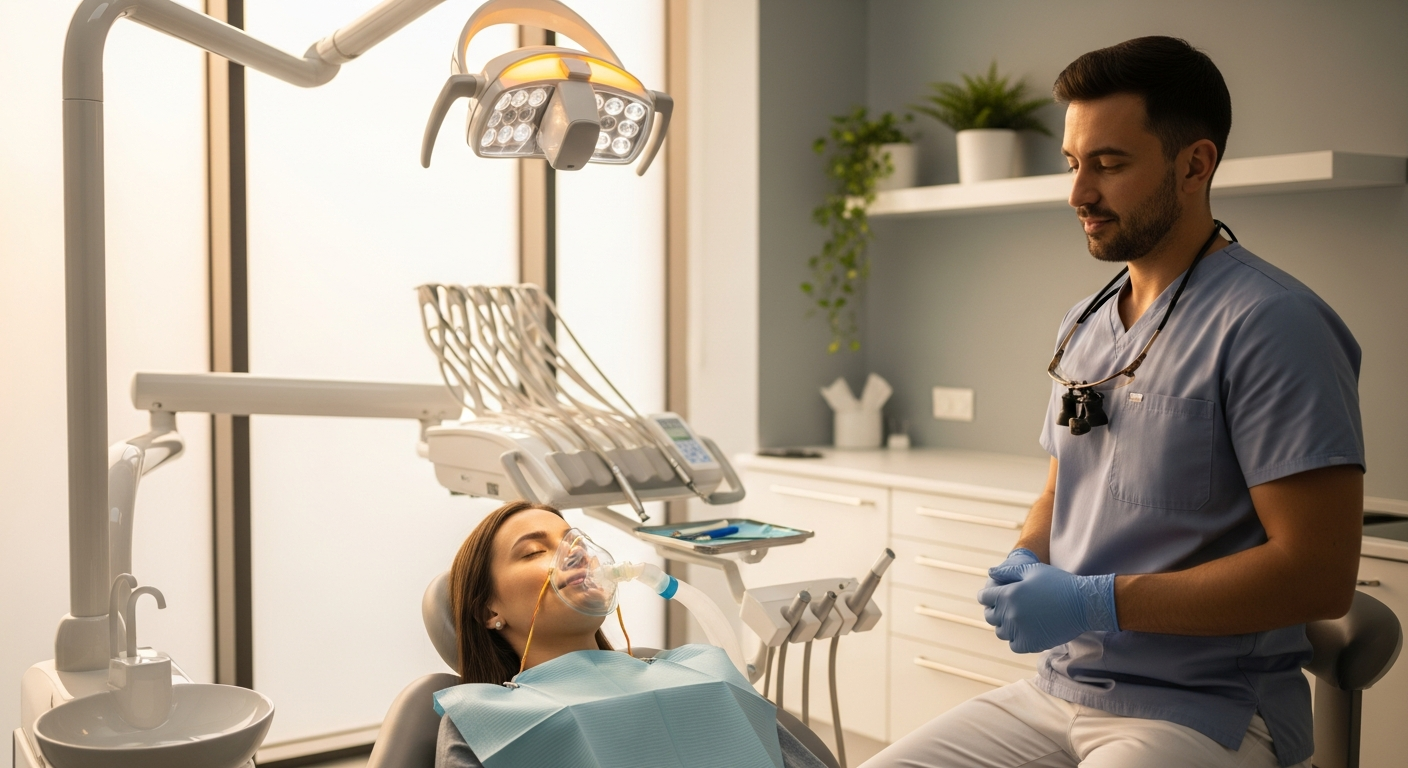
Does the thought of sitting in a dental chair make your heart race? You’re not alone. Millions of people avoid the dentist every year due to fear, anxiety, or past traumatic experiences — and it costs them their oral health. But what if you could drift through your entire dental appointment feeling calm, comfortable, and completely at ease? That’s exactly what sedation dentistry offers. Whether you need a simple cleaning, a tooth bonding procedure, or a complex restoration, sedation dentistry transforms even the most dreaded dental visit into a manageable — and even pleasant — experience.
Schedule your expert consultation at Grove Dental Clinic in Falls Church, VA today! Call (703) 578-0000 to book your appointment now!
What Is Sedation Dentistry?
Sedation dentistry refers to the use of medication to help patients relax during dental procedures. It’s sometimes called “sleep dentistry,” though that term is a bit misleading — most patients remain awake during sedation, just deeply relaxed. The goal is to reduce anxiety, minimize discomfort, and allow your dentist to work more efficiently while you stay calm and cooperative.
Sedation can be used for nearly any dental procedure, from routine cleanings and X-rays to more involved treatments like dental bonding, fillings, extractions, root canals, and even full smile makeovers.
Types of Sedation Used in Dentistry
Not all sedation is the same. Your dentist will recommend the right level based on your anxiety level, the complexity of your procedure, and your overall health.
1. Nitrous Oxide (Laughing Gas)
Nitrous oxide is the mildest and most commonly used form of dental sedation. You breathe it in through a small mask placed over your nose, and within minutes you’ll feel a warm, relaxing sensation. The effects wear off quickly after the mask is removed, so you can drive yourself home afterward.
2. Oral Conscious Sedation
This involves taking a prescribed pill (usually a benzodiazepine like Halcion) about an hour before your appointment. You’ll feel drowsy and relaxed but will remain conscious. Some patients have little to no memory of the procedure afterward. You will need someone to drive you home.
3. IV Sedation
IV sedation is administered directly into the bloodstream, allowing the dentist to adjust the level of sedation as needed. It works quickly and produces a deeper state of relaxation. This is ideal for patients with severe dental phobia or those undergoing lengthy procedures.
4. General Anesthesia
In some complex cases, patients are placed completely under general anesthesia. This is typically reserved for major oral surgeries or patients with special needs who cannot cooperate during treatment.
Who Can Benefit from Sedation Dentistry?
Sedation dentistry isn’t just for people with extreme fear. It can benefit a wide range of patients, including:
- Those with dental anxiety or phobia
- Patients with a sensitive gag reflex
- People who require multiple procedures in one visit
- Individuals with difficulty getting numb from local anesthesia
- Those with physical disabilities or special needs
- Patients who have had traumatic dental experiences in the past
- Anyone who wants to maximize their comfort during any dental treatment
Common Procedures Performed Under Sedation
One of the biggest advantages of sedation dentistry is its versatility. Here are some of the most common procedures where sedation can make a significant difference:
Dental Bonding
Dental bonding is a cosmetic procedure where a tooth-colored resin is applied to repair chips, cracks, gaps, or discoloration. While it’s minimally invasive, patients with anxiety may still feel tense during the procedure. Sedation allows your dentist to apply the bonding material carefully and precisely while you remain relaxed and still.
Teeth Cleaning and Scaling
Even routine cleanings and deep scaling procedures (used to treat gum disease) can be uncomfortable for sensitive patients. Sedation makes these appointments worry-free.
Tooth Extractions
Whether it’s a wisdom tooth removal or a simple extraction, sedation ensures you feel no anxiety and minimal discomfort throughout the process.
Root Canals
Root canals have an undeserved reputation for being painful. With proper sedation and modern techniques, they’re no more uncomfortable than getting a filling — and sedation makes them even easier.
Dental Implants and Restorations
Longer, more complex procedures like implant placements or full-mouth restorations can be completed more efficiently when the patient is sedated, reducing stress for both the patient and the dental team.
Is Sedation Dentistry Safe?
Yes — when administered by a trained and licensed dental professional, sedation dentistry is very safe. Before recommending sedation, your dentist will review your complete medical history, current medications, and any allergies. They’ll also monitor your vital signs throughout the procedure to ensure your safety at every step.
It’s important to disclose all medications and supplements you’re taking and to follow all pre-appointment instructions provided by your dental team, such as fasting guidelines if required.
Tips to Prepare for Your Sedation Dentistry Appointment
- Arrange for a trusted friend or family member to drive you to and from the appointment (for oral or IV sedation).
- Follow any fasting instructions provided by your dentist.
- Wear comfortable, loose-fitting clothing.
- Avoid alcohol for at least 24 hours before your procedure.
- Inform your dentist of all medications, supplements, or health changes since your last visit.
- Plan to rest at home for the remainder of the day after moderate to deep sedation.
How Sedation Dentistry Supports Better Oral Health
One of the most underappreciated benefits of sedation dentistry is how it encourages patients to actually keep their dental appointments. When fear is removed from the equation, people are far more likely to come in for regular cleanings, checkups, and early treatments — before small problems become expensive, complicated ones.
Consistent oral care, including daily flossing, brushing twice a day, and biannual dental visits, forms the foundation of good oral health. Sedation dentistry supports this routine by ensuring that your visits are never something to dread.
Additionally, because sedated patients are more relaxed and cooperative, dentists can work with greater precision and care, resulting in better outcomes for procedures like bonding, veneers, and restorations.
Why Choose a Dentist Who Offers Sedation?
Not every dental practice offers all forms of sedation. Choosing a dentist trained and certified in sedation techniques ensures you have access to a full range of comfort options. Look for a practice that takes time to understand your concerns, explains your options clearly, and customizes your care plan to your unique needs.
At Grove Dental Clinic in Falls Church, VA, our compassionate team is dedicated to making every patient feel safe, comfortable, and cared for — from the moment you walk through the door to the moment you leave with a healthier, brighter smile.
FAQ
Will I be completely unconscious during sedation dentistry?
Not necessarily. Most forms of sedation — like nitrous oxide and oral sedation — keep you conscious but deeply relaxed. Only general anesthesia renders you fully unconscious, and it’s typically reserved for complex surgical cases.
Is sedation dentistry covered by insurance?
Coverage varies depending on your insurance plan and the reason for sedation. Some plans cover sedation for surgical procedures, while others do not. We recommend contacting your insurance provider and speaking with our office team to understand your benefits.
How long does it take to recover from dental sedation?
Recovery time depends on the type of sedation used. Nitrous oxide wears off within minutes. Oral sedation may leave you groggy for several hours, while IV sedation can take longer. Plan to rest for the remainder of the day following moderate or deep sedation.
Can children receive sedation dentistry?
Yes. Pediatric sedation dentistry is a safe and effective option for children who experience significant dental anxiety or require extensive treatment. Nitrous oxide is commonly used for children, and your dentist will carefully evaluate your child’s health before recommending any form of sedation.
Will I feel any pain during the procedure?
Sedation is typically combined with local anesthesia to ensure you feel no pain during the procedure. The sedation keeps you relaxed and anxiety-free, while the local anesthetic blocks pain signals in the treatment area.
Can I eat before my sedation dentistry appointment?
For nitrous oxide, there are usually no fasting requirements, though a light meal beforehand is advisable. For oral or IV sedation, you’ll typically be asked not to eat or drink for several hours before your appointment. Your dentist will give you specific instructions based on the type of sedation used.
Is sedation dentistry right for me if I only have mild anxiety?
Absolutely. Sedation isn’t only for those with severe dental phobia. Even patients with mild nervousness can benefit from the added comfort and relaxation that sedation provides. Talk to your dentist about your concerns and they’ll help determine the best approach for you.
Schedule your expert consultation at Grove Dental Clinic in Falls Church, VA today! Call (703) 578-0000 to book your appointment now!


