
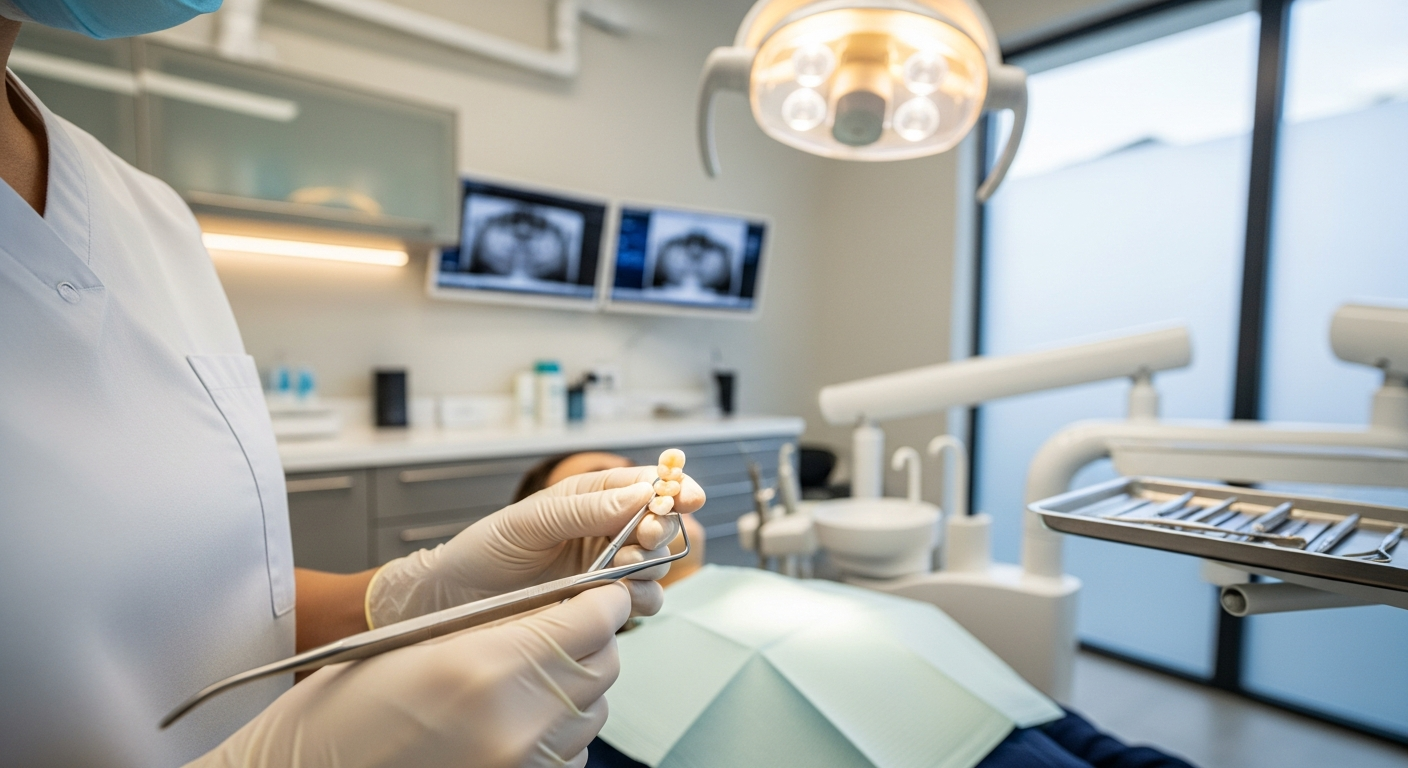
If your dentist has recommended a dental crown, you may be wondering what exactly that means — and whether it’s the right choice for your smile. Whether you’re dealing with a cracked tooth, severe decay, or simply want to protect a weakened tooth, dental crowns are one of the most trusted and effective restorative solutions in modern dentistry. Understanding what a dental crown is, how it works, and what to expect during the process can help ease your concerns and empower you to make the best decision for your oral health.
Schedule your expert consultation at Grove Dental Clinic in Falls Church, VA today! Call (703) 578-0000 to book your appointment now!
What Is a Dental Crown?
A dental crown is a custom-made cap that is placed over a damaged, decayed, or weakened tooth. It completely encases the visible portion of the tooth — from the gum line up — restoring its shape, size, strength, and appearance. Dental crowns are designed to look and function just like your natural teeth, making them nearly indistinguishable once placed.
Crowns can be used for a variety of dental concerns, from protecting a tooth after a root canal to anchoring a dental bridge or covering a dental implant. They are one of the most versatile restorative treatments available in dentistry today.
Why Would You Need a Dental Crown?
There are several common reasons why a dentist might recommend a dental crown:
- Severe tooth decay that cannot be treated with a simple filling
- Cracked or fractured teeth that are at risk of breaking further
- After a root canal to protect the treated tooth
- Worn down teeth from bruxism (teeth grinding) or acid erosion
- Cosmetic improvements for severely discolored or misshapen teeth
- Support for a dental bridge or covering a dental implant
- Broken or chipped teeth that need structural support
The Benefits of Dental Crowns
Dental crowns offer a wide range of benefits that go far beyond aesthetics. Here’s why they remain one of the most recommended dental treatments:
1. Restores Tooth Function
A crown brings back the full biting and chewing function of a damaged tooth, allowing you to eat comfortably without pain or sensitivity.
2. Protects the Natural Tooth
Rather than extracting a compromised tooth, a crown preserves it. This is always preferable in dentistry, as keeping your natural tooth helps maintain jawbone density and overall oral structure.
3. Long-Lasting Durability
With proper care — including regular brushing, flossing, and dental check-ups — dental crowns can last anywhere from 10 to 15 years or even longer. Some patients enjoy their crowns for 20+ years.
4. Natural-Looking Appearance
Modern dental crowns, especially porcelain and ceramic options, are crafted to match the color, shape, and translucency of your surrounding teeth, giving you a seamless, natural-looking smile.
5. Improved Confidence
Whether you’re covering a discolored tooth or repairing a visible crack, a dental crown can significantly boost your self-esteem and confidence in your smile.
6. Prevents Further Damage
A crown acts as a protective shield, preventing a vulnerable tooth from fracturing further, which could lead to extraction or more complex treatments down the road.
Types of Dental Crowns
Not all dental crowns are created equal. The material used can affect the crown’s appearance, durability, and cost. Here’s an overview of the most common types:
Porcelain Crowns
Porcelain crowns are the most aesthetically pleasing option, mimicking the natural look of tooth enamel. They are ideal for front teeth where appearance is a priority. However, they may not be as strong as metal options.
Porcelain-Fused-to-Metal (PFM) Crowns
PFM crowns offer a balance between aesthetics and strength. The metal base provides durability, while the porcelain outer layer looks natural. These are a popular choice for both front and back teeth.
Ceramic Crowns
All-ceramic crowns are an excellent metal-free option, particularly for patients with metal allergies. They provide outstanding aesthetics and are commonly used for front teeth restorations.
Metal Crowns (Gold or Silver Alloy)
Metal crowns, including gold and other alloys, are extremely durable and long-lasting. They require minimal tooth removal during preparation and rarely chip or break. However, their metallic appearance makes them more suitable for back molars where they’re less visible.
Zirconia Crowns
Zirconia is quickly becoming one of the most popular crown materials. It combines the strength of metal with the aesthetics of ceramic, making it an excellent all-around choice. Zirconia crowns are highly durable, biocompatible, and natural-looking.
Resin Crowns
Composite resin crowns are generally the most affordable option. While they look natural, they are less durable than other materials and may be more prone to wear over time. They are often used as temporary crowns.
What to Expect During the Dental Crown Procedure
Getting a dental crown typically involves two appointments, though same-day crowns are now available with advanced CAD/CAM technology at many dental practices.
First Appointment: Preparation
During your first visit, your dentist will:
- Examine and X-ray the tooth to assess the extent of damage or decay.
- Administer local anesthesia to numb the area for your comfort.
- Reshape the tooth by filing down its surface to make room for the crown.
- Take impressions of the tooth and surrounding teeth, which are sent to a dental lab to create your custom crown.
- Place a temporary crown to protect the prepared tooth while your permanent crown is being made.
Second Appointment: Placement
Once your permanent crown is ready (usually within 1 to 2 weeks), you’ll return for:
- Removal of the temporary crown
- Checking the fit and color of your new crown
- Cementing the permanent crown in place with dental adhesive
The procedure is generally comfortable, with minimal discomfort during and after. Some patients experience mild sensitivity for a few days following placement, which typically resolves on its own.
How to Care for Your Dental Crown
Caring for a dental crown is simple and follows the same best practices as caring for your natural teeth:
- Brush twice a day with a soft-bristled toothbrush and fluoride toothpaste
- Floss daily, paying special attention around the crown margins where plaque can accumulate
- Avoid hard or sticky foods that could dislodge or crack the crown
- Wear a night guard if you grind your teeth
- Visit your dentist regularly for professional cleanings and check-ups
Proper oral hygiene — including consistent flossing — is critical for the longevity of your crown and the health of the underlying tooth. Even though the crown itself can’t decay, the tooth structure beneath it can still be affected by bacteria and plaque buildup at the gumline.
How Much Does a Dental Crown Cost?
The cost of a dental crown varies depending on the material used, the location of the tooth, and your geographic location. On average, dental crowns can range from $800 to $2,500 per tooth. Dental insurance often covers a portion of crown costs when they are deemed medically necessary. It’s always best to consult with your dental provider to understand your specific coverage and out-of-pocket costs.
Are Dental Crowns Right for You?
Only a qualified dental professional can determine whether a dental crown is the best treatment option for your specific situation. During a comprehensive exam, your dentist will evaluate the health of your tooth, your bite, your overall oral health, and your aesthetic goals to recommend the most appropriate solution — whether that’s a crown, dental bonding, a veneer, or another restorative treatment.
FAQ
How long does a dental crown last?
With proper care and maintenance, dental crowns typically last between 10 and 15 years. Some crowns, particularly those made from zirconia or metal, can last 20 years or more.
Does getting a dental crown hurt?
The procedure is performed under local anesthesia, so you should not feel pain during the preparation. Some mild sensitivity or discomfort after the procedure is normal and usually subsides within a few days.
Can a dental crown fall off?
While rare, dental crowns can sometimes become loose or fall off due to the decay of the underlying tooth, inadequate bonding, or physical trauma. If your crown falls off, contact your dentist immediately and keep the crown safe for potential re-cementation.
Do I still need to floss around my dental crown?
Absolutely. Flossing around your dental crown is essential to prevent plaque and bacteria from building up along the gum line, which can lead to gum disease or decay of the natural tooth beneath the crown.
What is the difference between a dental crown and a dental cap?
There is no difference — “dental cap” is simply another term for a dental crown. Both refer to the same restorative device that covers the entire visible portion of a tooth.
Can a crowned tooth still get cavities?
The crown itself cannot decay, but the tooth structure underneath it can. Bacteria can still reach the natural tooth at the margin where the crown meets the gumline, making regular brushing, flossing, and dental visits essential.
How do I know if I need a crown or a filling?
The decision depends on the extent of the damage. Small cavities can typically be treated with a filling, while more extensive decay, cracks, or structural damage usually require a crown. Your dentist will evaluate your tooth and recommend the most appropriate treatment.
Schedule your expert consultation at Grove Dental Clinic in Falls Church, VA today! Call (703) 578-0000 to book your appointment now!


