
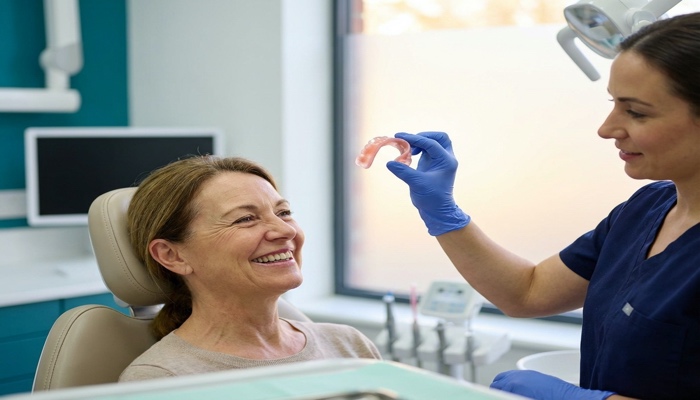
Imagine smiling confidently without worrying about your dentures slipping, clicking, or causing discomfort throughout the day. For millions of people living with tooth loss, this dream is now a reality thanks to flexible dentures. If you’ve been struggling with rigid, uncomfortable traditional dentures or you’re exploring tooth replacement options for the first time, flexible dentures could be the life-changing solution you’ve been searching for. In this comprehensive guide, we’ll explore everything you need to know about flexible dentures — from how they work to why they’re rapidly becoming the preferred choice for patients worldwide.
Schedule your expert consultation at Grove Dental Clinic in Falls Church, VA today! Call (703) 578-0000 to book your appointment now!
What Are Flexible Dentures?
Flexible dentures are a modern type of removable dental prosthetic made from a thin, thermoplastic material — most commonly nylon-based resin such as Valplast or TCS (Thermoplastic Dental Appliances). Unlike traditional dentures, which are crafted from rigid acrylic or metal, flexible dentures bend and adapt to the natural contours of your mouth. This flexibility creates a snug, comfortable fit that moves with your gum tissue rather than against it.
They can be used as full dentures (replacing all teeth in an arch) or as partial dentures (replacing several missing teeth while preserving healthy remaining teeth). Their translucent base blends naturally with gum tissue, making them significantly more aesthetically pleasing than metal-clasp alternatives.
How Do Flexible Dentures Differ From Traditional Dentures?
Material Composition
Traditional dentures are typically made from hard acrylic resin reinforced with metal frameworks. While durable, these materials can feel bulky and unnatural. Flexible dentures, by contrast, use lightweight thermoplastic that is both durable and pliable, offering a more lifelike feel inside the mouth.
Comfort and Fit
One of the most significant differences is comfort. Rigid acrylic dentures can create painful pressure points on sensitive gum tissue, leading to sores and irritation. Flexible dentures distribute pressure more evenly and adapt to jaw movements, dramatically reducing discomfort — even during extended wear.
Aesthetics
Traditional partial dentures often feature visible metal clasps that hook onto surrounding teeth. Flexible dentures use gum-colored or tooth-colored clasps that are nearly invisible, allowing wearers to smile, laugh, and eat with confidence.
Durability and Breakage
Because they flex rather than remain rigid, flexible dentures are far less likely to crack or snap under pressure. Traditional hard dentures are notorious for breaking when dropped or subjected to biting forces.
Key Benefits of Flexible Dentures
- Superior Comfort: The soft, pliable material eliminates the hard edges and pressure points associated with traditional dentures.
- Natural Appearance: Translucent pink bases mimic the look of real gum tissue, creating a seamlessly natural smile.
- No Metal Clasps: Ideal for patients with metal allergies or sensitivities.
- Lightweight Design: Easier to wear throughout the day without jaw fatigue.
- Improved Retention: The flexible material grips gum tissue naturally, often reducing the need for denture adhesives.
- Faster Adjustment Period: Most patients adapt to flexible dentures more quickly than traditional options.
- Biocompatible Material: Thermoplastic resins are generally well-tolerated by oral tissues.
Who Is a Good Candidate for Flexible Dentures?
Flexible dentures are an excellent option for a wide range of patients, including:
- Individuals with multiple missing teeth who need partial dentures
- Patients with irregular ridge shapes or bone resorption that makes fitting rigid dentures difficult
- People with metal allergies who cannot tolerate traditional metal-clasp partials
- Those seeking a more aesthetic solution without visible clasps or hardware
- First-time denture wearers looking for a gentler transition into removable prosthetics
However, it’s important to consult with your dentist to determine if flexible dentures are right for your specific oral health needs. Patients with significant bone loss or those requiring full dentures may need additional evaluation.
The Process of Getting Flexible Dentures
Step 1: Initial Consultation
Your dentist will conduct a thorough examination of your teeth, gums, and jawbone. X-rays may be taken to assess bone density and the health of remaining teeth. This consultation helps determine whether flexible dentures are the most appropriate treatment option.
Step 2: Impressions and Measurements
Precise impressions of your mouth are taken to create a custom mold. Accurate measurements ensure your dentures will fit comfortably and function correctly from day one.
Step 3: Fabrication
Your impressions are sent to a dental laboratory where technicians craft your flexible dentures using thermoplastic resin. The color of the base and artificial teeth are carefully matched to complement your natural complexion and existing teeth.
Step 4: Fitting and Adjustments
Once completed, your dentist will fit the dentures and make any necessary adjustments to ensure optimal comfort and bite alignment. Follow-up appointments are common to fine-tune the fit as your mouth adjusts.
Caring for Your Flexible Dentures
Proper maintenance extends the life of your flexible dentures and protects your oral health. Here are essential care tips:
- Rinse after eating: Remove and rinse your dentures after meals to remove food particles and prevent bacterial buildup.
- Brush gently: Use a soft-bristled brush and non-abrasive denture cleaner. Avoid toothpaste with harsh whitening agents, as these can scratch the surface.
- Soak overnight: Keep dentures in a denture-soaking solution or water when not wearing them to prevent drying out and warping.
- Avoid hot water: Never soak or rinse flexible dentures in hot water, as high temperatures can distort the thermoplastic material.
- Handle with care: Although durable, handle your dentures over a folded towel or basin of water to cushion any accidental drops.
- Maintain oral hygiene: Continue brushing your gums, tongue, and any remaining natural teeth twice daily. Good oral hygiene prevents gum disease and maintains the health of supporting tissues.
- Regular dental checkups: Visit your dentist at least twice a year for professional cleaning and to ensure your dentures still fit properly as your oral structures naturally change over time.
Flexible Dentures vs. Dental Implants: Which Is Right for You?
Both flexible dentures and dental implants are popular tooth replacement options, but they serve different needs and budgets. Dental implants are surgically placed titanium posts that fuse with the jawbone, providing a permanent, fixed solution. They offer excellent stability and help preserve bone density but require surgery, a longer treatment timeline, and significantly higher costs.
Flexible dentures, on the other hand, are non-surgical, removable, and far more affordable. They’re an ideal choice for patients who are not candidates for surgery, those on a tighter budget, or individuals who prefer a reversible option. Many patients also choose flexible dentures as a transitional solution while planning for implants in the future.
Cost of Flexible Dentures
The cost of flexible dentures varies depending on factors such as the number of teeth being replaced, the geographic location of the dental practice, and the specific materials used. On average, flexible partial dentures range from $700 to $2,500 per arch, making them a cost-effective alternative to implants and comparable in price to traditional dentures.
Many dental insurance plans provide partial coverage for dentures. Check with your provider to understand your benefits and explore payment plan options with your dental office to manage out-of-pocket expenses.
Common Myths About Flexible Dentures
Myth 1: Flexible Dentures Are Only Temporary
While some dentists use flexible dentures as an interim solution, many patients wear them as a long-term tooth replacement option. With proper care, flexible dentures can last 5 to 8 years or longer.
Myth 2: They Can’t Handle Normal Chewing
Modern flexible dentures are designed to withstand normal chewing forces. Most patients can comfortably eat a wide variety of foods, though very hard or sticky foods should still be consumed with caution.
Myth 3: They Look Fake
Quite the opposite — flexible dentures are celebrated for their natural appearance. The translucent base and customized tooth shading create results that closely mimic real teeth and gum tissue.
FAQ
Are flexible dentures more comfortable than traditional dentures?
Yes, most patients find flexible dentures significantly more comfortable. The pliable thermoplastic material adapts to the shape of your mouth, reducing pressure points and irritation that are commonly experienced with rigid acrylic dentures.
How long do flexible dentures last?
With proper care, flexible dentures typically last between 5 to 8 years. Regular dental checkups help ensure the fit remains optimal and the material stays in good condition over time.
Can flexible dentures be repaired if damaged?
Repairing flexible dentures can be more challenging than repairing traditional acrylic dentures because the thermoplastic material requires specialized equipment. Some dental labs offer repair services, but it’s best to consult your dentist for guidance if your dentures are damaged.
Do flexible dentures require adhesive?
In most cases, flexible dentures do not require adhesive. Their design allows them to grip gum tissue naturally, providing a secure fit. However, in cases of significant bone resorption, some patients may still choose to use a light adhesive for added confidence.
Are flexible dentures covered by insurance?
Many dental insurance plans cover a portion of the cost of flexible dentures under their prosthetic benefits. Coverage varies by plan, so it’s important to contact your insurance provider directly to understand what is included in your policy.
How do I clean flexible dentures?
Clean your flexible dentures by rinsing them after meals, brushing them gently with a soft-bristled brush and non-abrasive cleaner, and soaking them overnight in a denture solution. Avoid hot water, harsh chemicals, and abrasive toothpastes that can damage the material.
Can I sleep with flexible dentures in?
Dentists generally recommend removing your dentures at night to allow your gum tissue to rest and recover. Sleeping with dentures can increase the risk of gum irritation and bacterial growth. Always follow your dentist’s specific recommendations for your situation.
Schedule your expert consultation at Grove Dental Clinic in Falls Church, VA today! Call (703) 578-0000 to book your appointment now!


