
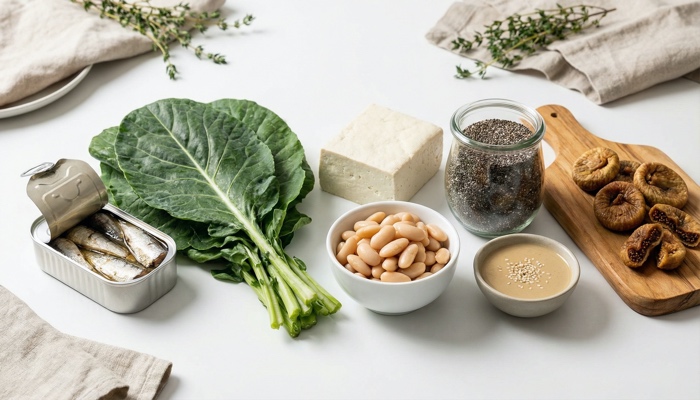
Ask anyone to name a food rich in calcium, and the answer is almost always the same: “Milk.” For decades, the dairy industry has successfully convinced us that milk is the ultimate, irreplaceable source of calcium. Got milk? You’d better, or your bones will crumble to dust—or so we’ve been led to believe.
But here’s the truth that might surprise you: Milk isn’t even close to being the best source of calcium. In fact, there are numerous foods that deliver more calcium per serving, are more easily absorbed by your body, and come without the potential downsides of dairy—like lactose intolerance, digestive issues, inflammation, or ethical concerns.
Whether you’re lactose intolerant, vegan, trying to reduce dairy consumption, or simply looking to diversify your calcium sources, you’re about to discover seven powerhouse foods that outperform milk in the calcium department. Some of these might surprise you. Others you’ve probably been overlooking your entire life, not realizing they’re secretly packed with this bone-building mineral.
Calcium isn’t just about strong bones and teeth (though that’s critically important). This essential mineral plays vital roles in muscle function, nerve transmission, blood clotting, and maintaining a healthy heartbeat. Adults need about 1,000-1,200 mg of calcium daily, and while an 8-ounce glass of milk provides approximately 300 mg, the foods we’re about to reveal can match or exceed that—often with additional nutritional benefits milk simply can’t provide.
Ready to break free from dairy dependence and discover the calcium champions hiding in plain sight? Let’s dive into these seven secret calcium-rich foods that beat milk every single time.
“Schedule your expert consultation at Grove Dental Clinic in Falls Church, VA today! Call (703) 578-0000 to book your appointment now!”
1. Sardines: The Tiny Fish with Massive Calcium Power
The Calcium Stats:
One 3.75-ounce can of sardines (with bones): 350-380 mg of calcium Compare to 8 oz milk: 300 mg Winner: Sardines by 50-80 mg
Why They Beat Milk:
When it comes to calcium density, sardines are absolute champions. The secret? You eat the bones. These small, soft, edible bones are loaded with calcium, and because they’re so tiny and tender (especially when canned), you won’t even notice you’re eating them.
But sardines don’t just beat milk in calcium content—they bring additional nutritional firepower:
Omega-3 fatty acids: Sardines are one of the richest sources of EPA and DHA, the omega-3s crucial for heart health, brain function, and reducing inflammation. Milk? Zero omega-3s (unless artificially added).
Vitamin D: One serving provides 70-100% of your daily vitamin D needs, which is essential for calcium absorption. Ironically, you need vitamin D to actually use the calcium you consume, and sardines provide both in one package.
Protein: A 3.75-ounce can delivers about 23 grams of complete protein—more than an 8-ounce glass of milk (which has about 8 grams).
Vitamin B12: Sardines provide over 300% of your daily B12 needs, supporting energy, nervous system function, and red blood cell production.
Low mercury: Unlike larger fish, sardines are low on the food chain, meaning they accumulate very little mercury—making them safe to eat regularly.
How to Enjoy Them:
If you’re new to sardines, start with these beginner-friendly options:
- On whole grain crackers: Top with mustard, hot sauce, or avocado
- In salads: Chop and toss with mixed greens, tomatoes, and olive oil
- Pasta perfection: Mix with garlic, olive oil, and pasta for a quick, nutritious meal
- Sardine toast: Mash onto sourdough with lemon juice and black pepper
- Straight from the can: If you’re adventurous, they’re delicious on their own
Pro tip: Look for sardines packed in olive oil or water. Avoid those in soybean or other vegetable oils, which offer less nutritional value.
2. Collard Greens: The Leafy Green Calcium Superstar
The Calcium Stats:
One cup cooked collard greens: 268 mg of calcium Compare to 8 oz milk: 300 mg Nearly tied, but with added benefits
Why They Beat Milk:
While collard greens come close to milk’s calcium content per serving, they win on bioavailability—meaning your body can actually absorb and use more of the calcium from collards than from milk.
Here’s why: Milk contains casein, a protein that can actually inhibit calcium absorption in some people. Collard greens have no such inhibitor. Studies suggest that calcium absorption from low-oxalate greens like collards can be as high as 50-60%, compared to only about 32% from milk.
Additional nutritional benefits:
Vitamin K: One cup provides over 1,000% of your daily vitamin K needs. This vitamin is crucial for bone health because it helps your body properly use the calcium you consume. Without adequate vitamin K, calcium may end up in your arteries instead of your bones.
Vitamin A: Provides over 300% of daily needs, supporting vision, immune function, and skin health.
Fiber: Unlike milk (which has zero fiber), collard greens provide about 5 grams per cup, supporting digestive health and helping you feel full.
Folate: Important for cell division and particularly crucial during pregnancy.
Antioxidants: Loaded with compounds that fight inflammation and may reduce cancer risk.
Zero cholesterol: Unlike whole milk, collards won’t raise your cholesterol levels.
How to Enjoy Them:
Collard greens have a slightly bitter, earthy flavor that becomes milder and sweeter when cooked:
- Southern-style: Cook low and slow with onions, garlic, and a splash of apple cider vinegar
- Quick sauté: Chop and sauté with olive oil, garlic, and red pepper flakes
- Collard wraps: Use large leaves as low-carb wraps for sandwiches
- In soups: Add chopped collards to any soup for a calcium boost
- Smoothies: Yes, really! Blend a handful with fruit and you won’t taste them
Pro tip: Pair collard greens with a vitamin C source (like lemon juice or tomatoes) to enhance iron absorption, another benefit collards provide.
3. Tofu (Calcium-Set): The Versatile Protein Powerhouse
The Calcium Stats:
Half cup firm tofu (calcium-set): 250-800 mg of calcium (varies by brand) Compare to 8 oz milk: 300 mg Winner: Tofu (can provide up to 2.5x more calcium)
Why It Beats Milk:
Not all tofu is created equal when it comes to calcium. The secret is to look for calcium-set tofu (check the ingredients for calcium sulfate or calcium chloride). This type uses calcium salts in the coagulation process, resulting in exceptionally high calcium content.
Some brands of extra-firm calcium-set tofu can provide up to 860 mg of calcium in just half a cup—nearly triple what you’d get from a glass of milk.
Additional benefits:
Complete protein: Tofu provides all nine essential amino acids, making it a complete protein source comparable to animal products.
Isoflavones: These plant compounds may support bone health, reduce hot flashes during menopause, and potentially lower certain cancer risks.
Low in saturated fat: Unlike whole milk, tofu is low in saturated fat and contains zero cholesterol.
Iron: Provides non-heme iron, which is important for vegetarians and vegans.
Versatility: Tofu takes on the flavor of whatever you cook it with, making it incredibly adaptable.
How to Enjoy It:
The key to great tofu is preparation:
- Press it first: Remove excess water by pressing tofu between paper towels with a heavy object on top for 15-30 minutes
- Scrambled: Crumble and cook with turmeric, nutritional yeast, and vegetables for a calcium-rich “scrambled egg” alternative
- Marinated and grilled: Cut into slabs, marinate, and grill for a protein-packed meal
- Stir-fries: Cube and add to any vegetable stir-fry
- Smoothies: Silken tofu blends into smoothies for a protein and calcium boost
- Baked: Toss cubed tofu in cornstarch and bake until crispy
Pro tip: Always check the label and look for “calcium-set” or check the ingredients list for calcium sulfate. Regular tofu has significantly less calcium.
4. White Beans: The Humble Legume Calcium Champion
The Calcium Stats:
One cup cooked white beans: 161 mg of calcium Compare to 8 oz milk: 300 mg While lower per serving, the benefits stack up
Why They Beat Milk:
While white beans contain about half the calcium of a glass of milk per serving, they win when you consider the complete nutritional package:
Fiber powerhouse: One cup provides about 12.5 grams of fiber—nearly half your daily needs. Milk? Zero fiber.
Resistant starch: White beans contain resistant starch, which acts like fiber, feeding beneficial gut bacteria and supporting metabolic health.
Protein: One cup delivers about 17 grams of plant-based protein.
Iron: Provides about 44% of your daily iron needs (especially important if you’re reducing meat intake).
Folate: Essential for cell division and particularly important during pregnancy.
Low glycemic index: Won’t spike your blood sugar like sweetened milk products can.
Satiety: The fiber and protein combination keeps you full for hours.
How to Enjoy Them:
White beans (including navy beans, cannellini beans, and great northern beans) are incredibly versatile:
- Classic bean soup: Slow-cooked with vegetables and herbs
- Mashed: Use as a creamy base for dips (like white bean hummus)
- Salads: Toss with arugula, tomatoes, and olive oil
- Pasta e fagioli: Traditional Italian soup with pasta and beans
- Baked beans: Make your own healthy version with tomatoes and spices
- Hidden in dishes: Blend into smoothies or sauces for extra creaminess and nutrition
Pro tip: If using canned beans, rinse them thoroughly to reduce sodium. For dried beans, soak overnight and cook until tender—this also reduces compounds that can cause digestive discomfort.
5. Chia Seeds: The Ancient Superfood with Modern Benefits
The Calcium Stats:
Two tablespoons chia seeds: 179 mg of calcium Compare to 8 oz milk: 300 mg Impressive for such a small serving
Why They Beat Milk:
For their tiny size, chia seeds pack an enormous calcium punch. Just two tablespoons—a serving you can easily add to almost anything—provides more than half the calcium of a full glass of milk.
But calcium is just the beginning of chia’s superpowers:
Omega-3 ALA: Chia seeds are the richest plant source of alpha-linolenic acid (ALA), an omega-3 fatty acid that supports heart and brain health.
Fiber explosion: Those two tablespoons contain about 10 grams of fiber—nearly one-third of your daily needs. This helps with digestion, blood sugar control, and satiety.
Complete protein: Chia contains all nine essential amino acids, unusual for a plant food.
Antioxidants: Rich in antioxidants that protect cells from damage and may slow aging.
Blood sugar control: The gel-like substance chia forms when wet slows the conversion of carbs to sugar.
Hydration: Chia seeds can absorb up to 12 times their weight in water, helping with hydration.
How to Enjoy Them:
Chia seeds are flavor-neutral and incredibly easy to incorporate:
- Chia pudding: Mix with milk alternative and let sit overnight (3 tablespoons chia to 1 cup liquid)
- Smoothie booster: Blend into any smoothie
- Oatmeal topping: Sprinkle on your morning oats
- Chia egg: Mix 1 tablespoon chia with 3 tablespoons water as an egg replacer in baking
- Salad sprinkle: Add crunch and nutrition to any salad
- Energy balls: Combine with dates, nuts, and cocoa powder
Pro tip: While you can eat chia seeds dry, they’re more nutritious and easier to digest when soaked or ground. The gel that forms actually helps slow digestion and keeps you full longer.
6. Sesame Seeds (and Tahini): The Middle Eastern Secret
The Calcium Stats:
One tablespoon sesame seeds: 88 mg of calcium Two tablespoons tahini (sesame paste): 128 mg of calcium Compare to 8 oz milk: 300 mg Small serving, big impact
Why They Beat Milk:
Sesame seeds and tahini (ground sesame paste) are among the most calcium-dense foods on the planet per ounce. While you wouldn’t eat a cup of sesame seeds in one sitting, the calcium content in realistic serving sizes is remarkable.
Additional benefits:
Copper and manganese: Essential minerals that support bone health, energy production, and antioxidant defenses.
Healthy fats: Primarily heart-healthy unsaturated fats that support cardiovascular health.
Sesamol and sesaminol: Unique antioxidants found only in sesame that may protect liver health and reduce inflammation.
Magnesium: Works with calcium for proper bone formation and muscle function.
Plant sterols: Compounds that may help lower cholesterol levels.
How to Enjoy Them:
Sesame seeds and tahini are staples in Middle Eastern and Asian cuisine:
- Tahini sauce: Mix tahini with lemon juice, garlic, and water for a creamy dressing
- Hummus: Traditional hummus contains tahini, adding calcium to an already healthy dip
- Sesame-crusted proteins: Coat chicken, fish, or tofu with sesame seeds before cooking
- Asian stir-fries: Sprinkle toasted sesame seeds over finished dishes
- Smoothies: Add a tablespoon of tahini for creaminess and nutrition
- Halva: A traditional Middle Eastern sweet made primarily from tahini
Pro tip: Unhulled sesame seeds (darker in color) contain more calcium than hulled (white) sesame seeds. Look for tahini made from unhulled seeds for maximum calcium content.
7. Dried Figs: Nature’s Candy with a Calcium Surprise
The Calcium Stats:
Half cup dried figs: 121 mg of calcium Compare to 8 oz milk: 300 mg Plus natural sweetness and fiber
Why They Beat Milk:
Dried figs are often overlooked as a calcium source, but they’re remarkably rich in this bone-building mineral—especially considering they satisfy a sweet craving while delivering nutrition.
What makes figs special:
Natural sweetness: Figs can replace candy or desserts while providing actual nutrition.
Fiber-rich: Half a cup provides about 7.5 grams of fiber, supporting digestive health and blood sugar control.
Potassium: Important for blood pressure regulation and muscle function.
Polyphenol antioxidants: Dried figs actually contain more antioxidants than fresh figs due to concentration.
Prebiotic effects: The fiber in figs feeds beneficial gut bacteria.
Iron: Provides non-heme iron, important for those reducing meat consumption.
No added sugar needed: Nature’s sweetness means you don’t need to add anything.
How to Enjoy Them:
Dried figs are versatile and naturally delicious:
- Snack directly: Eat 3-4 dried figs as a sweet, satisfying snack
- Chopped in oatmeal: Add to morning oats for natural sweetness and calcium
- Baked goods: Chop and add to muffins, bread, or granola
- Cheese plates: Pair with nuts and cheese for an elegant appetizer
- Stuffed figs: Fill with goat cheese or almond butter
- Salad topping: Slice and add to arugula salads with balsamic vinegar
- Energy balls: Blend with nuts and dates for homemade energy bars
Pro tip: Look for figs without added sugar (they don’t need it) and preferably organic, as figs can have high pesticide residues when conventionally grown.
Maximizing Calcium Absorption: It’s Not Just About Intake
Getting enough calcium is only half the battle—you also need to absorb it effectively. Here’s how:
Boost Absorption:
Vitamin D: Essential for calcium absorption. Get it from sunlight, fatty fish (like those sardines!), or supplements if needed.
Vitamin K: Directs calcium to bones instead of arteries. Found in leafy greens like collards.
Magnesium: Works with calcium for bone health. Found in nuts, seeds, and whole grains.
Spread it out: Your body can only absorb about 500 mg of calcium at once. Distribute calcium-rich foods throughout the day.
Pair with vitamin C: Enhances absorption of minerals from plant sources.
Avoid Absorption Blockers:
Excessive caffeine: Can increase calcium excretion. Limit to 2-3 cups of coffee daily.
High sodium: Too much salt increases calcium loss through urine.
Oxalates: Found in spinach, rhubarb, and beet greens. These bind to calcium and prevent absorption. (Note: Collard greens are low in oxalates, which is why they’re on this list.)
Phytates: Found in whole grains and beans. Soaking, sprouting, or fermenting reduces phytates.
Excess protein: Very high protein intake can increase calcium excretion.
Building a Calcium-Rich Day Without Milk
Here’s what a day of calcium-rich eating looks like using these seven foods:
Breakfast:
- Chia pudding made with almond milk: 179 mg
- Topped with dried figs: 121 mg
- Total: 300 mg
Lunch:
- Large salad with white beans: 161 mg
- Collard greens on the side: 268 mg
- Tahini dressing: 64 mg
- Total: 493 mg
Snack:
- 4 dried figs: 96 mg
- Sesame seed crackers: 50 mg
- Total: 146 mg
Dinner:
- Grilled tofu (calcium-set): 400 mg
- Sautéed collard greens: 134 mg
- Total: 534 mg
Evening Snack:
- Sardines on crackers: 350 mg
Daily Total: 1,823 mg (Well above the 1,000-1,200 mg daily recommendation)
And you didn’t need a single glass of milk.
Conclusion
The myth that milk is the only—or even the best—source of calcium has kept many people unnecessarily dependent on dairy, while overlooking incredible plant-based and fish options that not only match milk’s calcium content but often exceed it with additional nutritional benefits.
These seven secret calcium champions—sardines, collard greens, calcium-set tofu, white beans, chia seeds, sesame seeds and tahini, and dried figs—prove that you can build and maintain strong bones without ever drinking a glass of milk. Whether you’re lactose intolerant, vegan, trying to reduce inflammation, or simply looking to diversify your nutrient sources, these foods provide everything milk offers and more.
“Schedule your expert consultation at Grove Dental Clinic in Falls Church, VA today! Call (703) 578-0000 to book your appointment now!”


