Composite Bonding Teeth Transform Your Smile Instantly
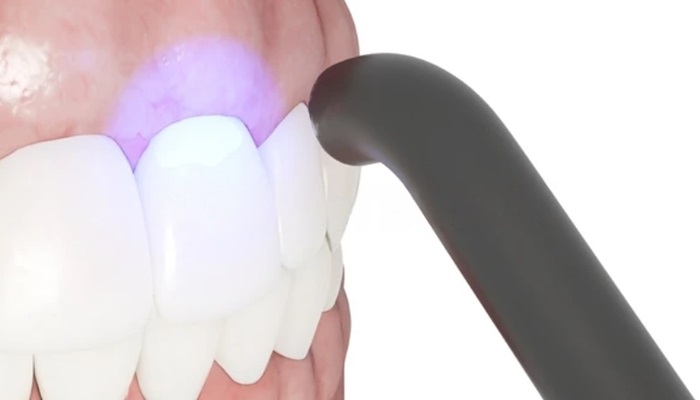
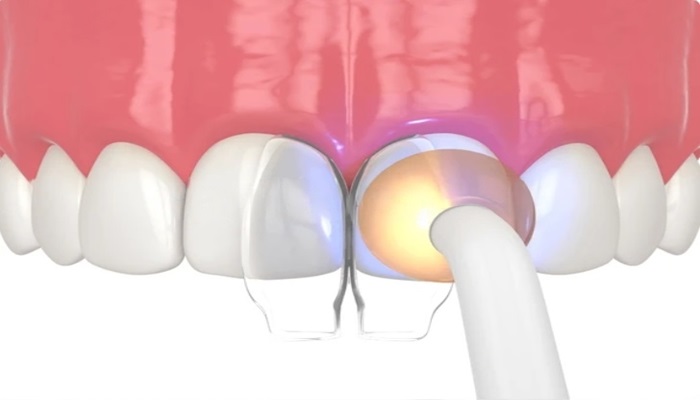
Are you considering ways to enhance your smile without extensive dental work? One increasingly popular method is composite bonding teeth. This technique has gained attention for its simplicity, effectiveness, and affordability. Whether you’re looking to fix a chipped tooth, close small gaps, or improve the overall appearance of your teeth, composite bonding offers a versatile solution. In this article, we’ll delve into what composite bonding is, how it works, and why it might be the perfect choice for your dental needs.What is Composite Bonding?Composite bonding teeth is a cosmetic dental procedure that enhances your smile by applying a tooth-colored resin to the teeth. This resin is meticulously shaped and polished to blend seamlessly with your natural teeth, making it an ideal option for addressing minor dental imperfections. The process begins with the dentist selecting a resin color that closely matches your teeth. The surface of the tooth is then slightly roughened to help the resin adhere better. After applying a conditioning liquid, the dentist carefully applies the composite resin to the tooth, molding and shaping it to achieve the desired look. A special light is then used to harden the material, after which the dentist will further trim, shape, and polish it to ensure it looks and feels natural. Composite bonding is particularly effective for correcting issues such as chips, cracks, discolored teeth, and small gaps between teeth. As a minimally invasive procedure, it is often completed in a single visit and provides immediate results. This makes composite bonding an appealing choice for anyone looking to quickly and effectively improve their smile without more extensive dental work like crowns or veneers. By choosing composite bonding, you can achieve a beautiful smile through a straightforward and efficient cosmetic procedure. The ProcedureThe procedure for composite bonding teeth is a straightforward cosmetic dentistry procedure typically completed in one visit to the dentist. Here’s a step-by-step overview of what you can expect: 1. Consultation and Planning 2. Color Matching 3. Preparation 4. Application of Composite Resin 5. Curing 6. Shaping and Polishing 7. Final Adjustments Composite bonding teeth is a minimally invasive and painless dental bonding procedure, usually completed without the need for anesthesia unless it’s used to fill a decayed tooth. The entire process is efficient, often taking between 30 minutes to an hour per tooth, allowing you to walk out of the office with an enhanced smile on the same day. This makes it an excellent option for those looking to quickly address aesthetic issues and improve the appearance of teeth without extensive dental work. Benefits of Composite BondingComposite bonding teeth offers a range of benefits that make it an attractive option for those looking to improve their smile. Here are some key advantages: 1. Minimally Invasive 2. Quick and Convenient 3. Cost-Effective 4. Aesthetic Appeal 5. Versatility 6. Immediate Results 7. Durability 8. Reversible Composite bonding teeth offers an effective, affordable, and aesthetically pleasing solution for those looking to enhance their smile with minimal hassle. Whether you need minor corrections or more noticeable improvements, composite bonding can deliver results that boost your confidence and improve your overall dental appearance. Regular check-ups and proper care can ensure the longevity of the results, making composite bonding a perfect solution for enhancing your smile. Comparing Composite Bonding to Other MethodsWhen considering cosmetic dental treatments, it’s essential to compare cosmetic bonding with other options such as veneers, crowns, teeth whitening, and orthodontics. Tooth bonding involves applying a tooth-colored resin to the teeth to repair and enhance their appearance. This dental bonding process is quick, minimally invasive, and cost-effective. Veneers, on the other hand, are thin shells of porcelain or composite material that cover the front surface of teeth. They offer a more durable and stain-resistant solution but at a higher cost and require more extensive tooth preparation. Crowns cover the entire tooth, providing additional strength and protection, making them suitable for severely damaged or weakened teeth. However, they involve a more complex and expensive procedure compared to composite bonding. Teeth whitening focuses on improving the color of teeth, removing stains and discoloration, but does not address structural issues. Orthodontics, such as braces or aligners, are necessary for correcting significant misalignments and bite issues, requiring a longer and more involved treatment process. Dental bonding treatment offers a versatile and affordable solution for minor cosmetic improvements, making it an appealing option for many patients. By comparing restorative options, patients can choose the treatment that best fits their needs and goals. Ideal CandidatesIdeal candidates for composite bonding teeth are individuals with minor cosmetic imperfections such as chips, cracks, discoloration, or small gaps between their teeth. Those who desire quick results and prefer a minimally invasive procedure will find composite bonding particularly appealing, as it is typically completed in a single visit and requires little to no removal of the natural tooth structure. Cost-conscious patients looking for an affordable cosmetic dental solution will appreciate the lower cost of composite bonding compared to veneers or crowns. Additionally, candidates should have good overall oral health, as significant decay or gum disease may need to be addressed before proceeding with composite bonding. Patients who maintain good oral hygiene practices and have realistic expectations about the longevity and maintenance of composite bonding are also ideal candidates. While composite bonding can provide immediate and significant improvements, it may not be as durable or long-lasting as other options, and periodic touch-ups may be required.
Aftercare and MaintenanceProper aftercare and maintenance are crucial for ensuring the longevity and appearance of composite bonding teeth. Immediately following the procedure, it’s important to avoid foods and drinks that can stain the resin, such as coffee, tea, red wine, and tobacco products, for at least the first 48 hours. Good oral hygiene practices are essential for maintaining bonded teeth. Brush twice a day with a soft-bristled toothbrush and fluoride toothpaste, and floss daily to remove plaque and food particles from between the teeth. Regular dental check-ups and cleanings every six months are also recommended to monitor the condition of the bonded teeth and ensure they remain in good shape. Avoid using your teeth as tools to open packages or bite on hard objects, such as ice or pens, as this can chip or crack the composite resin. If you have a habit of grinding your teeth, consider wearing a night guard to protect both your natural teeth and the bonded areas. While composite bonding is durable, it may not be as resistant to wear and tear as natural enamel, so taking these precautions can help extend the life of your bonded teeth. If you notice any sharp edges, discoloration, or damage to the bonded areas, contact your dentist promptly for an evaluation and possible touch-up or repair. Real-life TransformationsComposite bonding teeth have transformed countless smiles, offering real-life success stories that highlight the procedure’s effectiveness and versatility. One such story involves a young professional named Sarah, who had small gaps between her front teeth that affected her confidence. After a single visit for composite bonding, Sarah left the dentist’s office with a beautifully aligned smile that looked completely natural. The procedure not only improved her appearance but also boosted her self-esteem, positively impacting her personal and professional life. Another remarkable transformation is that of John, a middle-aged man who had chipped his front tooth in an accident. The chip made him self-conscious about smiling or speaking in public. With composite bonding, the dentist was able to restore the tooth to its original shape and color, making it indistinguishable from the surrounding teeth. John was thrilled with the quick and painless procedure, and his confidence was restored instantly. Emily, a college student, struggled with discoloration on several teeth due to prolonged use of certain medications during childhood. Traditional teeth whitening methods were ineffective, so she opted for composite bonding. The dentist applied the tooth-colored resin to the discolored areas, and Emily was amazed at the immediate and dramatic improvement. Her smile now looks bright and even, and she no longer feels the need to hide her teeth. These real-life transformations demonstrate the power of composite bonding teeth to address a variety of cosmetic concerns quickly and effectively. Whether correcting minor imperfections, repairing damage, or improving overall aesthetics, composite bonding offers a reliable solution that can significantly enhance both appearance and confidence. ConclusionComposite bonding teeth is a versatile and effective cosmetic dental procedure that offers numerous benefits for enhancing your smile. Whether you’re looking to repair minor chips, close gaps, or improve the overall appearance of your teeth, composite bonding provides a quick and affordable solution. Unlike more invasive treatments like veneers or crowns, composite bonding requires minimal tooth alteration and can often be completed in just one visit to the dentist. The procedure involves applying a tooth-colored resin to the teeth, which is shaped and polished to blend seamlessly with your natural teeth. This results in immediate improvements that can boost your confidence and transform your smile. While composite bonding may not be as durable as other options, with proper care and maintenance, it can last for several years. Ideal candidates for composite bonding teeth include those with minor cosmetic imperfections who desire a non-invasive and cost-effective solution. Good oral hygiene practices and regular dental check-ups are essential for maintaining the bonded teeth and ensuring long-lasting results. By following these recommendations and taking precautions to avoid habits that could damage the resin, you can enjoy a beautiful and confident smile for years to come. If you’re considering composite bonding teeth to enhance your smile, consult with your dentist to determine if it’s the right option for you. With its ability to deliver immediate aesthetic improvements and its affordability, composite bonding remains a popular choice among individuals seeking a quick and effective cosmetic dental solution. At Grove Dental Clinic in Falls Church, VA, we’re dedicated to helping our patients achieve optimal oral health year-round. Schedule your expert consultation at Grove Dental Clinic in Falls Church, VA today! Call (703) 578-0000 to book your appointment now!
|