
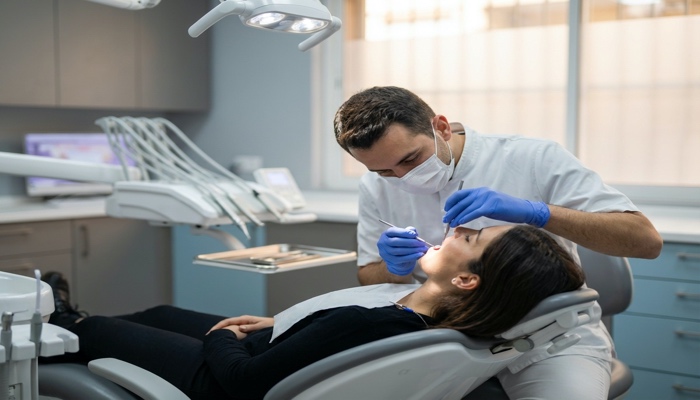
Have you ever noticed a small, fluid-filled bump inside your mouth that seems to appear out of nowhere? If so, you may have experienced a mucocele — a common, benign oral condition that affects thousands of people every year. While these soft, painless lumps are generally harmless, they can be uncomfortable, affect your ability to eat or speak, and cause unnecessary anxiety when you don’t know what they are. Understanding what causes mucoceles, how to identify them, and what treatment options are available can help you take control of your oral health and know exactly when to seek professional care.
Schedule your expert consultation at Grove Dental Clinic in Falls Church, VA today! Call (703) 578-0000 to book your appointment now!
What Is a Mucocele?
A mucocele (also spelled mucous cyst or mucous retention cyst) is a small, benign cyst that forms in the mouth when a salivary gland duct becomes blocked or damaged. The result is a buildup of mucus beneath the mucosal surface, creating a round, dome-shaped bump that is typically soft, smooth, and bluish or translucent in color.
Mucoceles most commonly appear on the inner lower lip, but they can also develop on the:
- Floor of the mouth (known as a ranula when located here)
- Inner cheeks
- Tongue
- Soft palate
- Gums
They range in size from a few millimeters to over a centimeter and can sometimes rupture on their own, releasing clear or slightly yellowish mucous fluid — only to reform again shortly after.
Common Causes of Mucoceles
Mucoceles develop when the flow of saliva from a minor salivary gland is disrupted. There are two primary types based on their cause:
1. Extravasation Mucocele
This is the most common type. It occurs when a salivary gland duct is ruptured or traumatized, causing mucus to leak into the surrounding tissue. Common causes include:
- Lip biting — a frequent habit, especially during stress or concentration
- Accidental trauma to the mouth during eating or physical activity
- Cheek biting or sucking
- Dental procedures that inadvertently damage minor salivary glands
2. Retention Mucocele
Less common than the extravasation type, retention mucoceles occur when a salivary gland duct becomes blocked — often by scar tissue, stones (sialoliths), or other obstructions — causing saliva to accumulate within the duct itself.
Recognizing the Symptoms
Mucoceles are often easy to identify due to their characteristic appearance. Here are the most common symptoms to watch for:
- A soft, round, fluid-filled bump inside the mouth, most often on the lower lip
- Bluish, clear, or skin-colored appearance depending on its depth
- Painless or mildly uncomfortable sensation, though some may feel tender
- Fluctuating size — the cyst may grow, shrink, or rupture and refill
- Difficulty speaking, chewing, or swallowing if the mucocele is large
- Recurring bumps in the same location after rupturing
It’s important to note that while mucoceles are benign, any unusual oral lump should be evaluated by a dental or medical professional to rule out other conditions, including oral cysts, lipomas, or in rare cases, more serious lesions.
Diagnosis
A dentist or oral surgeon can typically diagnose a mucocele through a visual and physical examination. In most cases, no imaging or laboratory tests are necessary. However, if the lesion appears unusual or doesn’t respond to initial treatment, a biopsy may be recommended to confirm the diagnosis and rule out other conditions.
Treatment Options for Mucoceles
Not all mucoceles require treatment. Some small cysts resolve on their own within a few days to weeks, especially if they rupture naturally. However, many mucoceles recur or persist indefinitely without professional intervention. Here are the most common treatment options:
1. Watchful Waiting
For small, asymptomatic mucoceles, a dentist may recommend simply monitoring the cyst to see if it resolves on its own. This is a conservative approach that avoids unnecessary procedures.
2. Surgical Excision
The most common and effective treatment is surgical removal of the mucocele along with the associated minor salivary gland. This is performed under local anesthesia and is typically a straightforward outpatient procedure. Removing the source gland significantly reduces the risk of recurrence.
3. Laser Treatment
Laser therapy has become an increasingly popular option for removing mucoceles. It offers several advantages, including:
- Minimally invasive approach
- Reduced bleeding and swelling
- Faster healing time
- Lower risk of infection
4. Cryotherapy
Cryotherapy involves freezing the mucocele with liquid nitrogen to destroy the cyst tissue. While less commonly used than surgery or laser treatment, it can be effective for certain patients.
5. Micromarsupialization
This minimally invasive technique involves placing a suture through the mucocele to drain the fluid and create a new opening for the salivary gland. It is often used for smaller cysts and has a good success rate with minimal trauma to surrounding tissue.
6. Steroid Injections
In some cases, intralesional corticosteroid injections are used to reduce inflammation and promote resolution of the cyst. This method is typically reserved for select patients or situations where surgery is not ideal.
Prevention and Oral Health Tips
While not all mucoceles can be prevented, especially those caused by accidental trauma, you can reduce your risk by adopting good oral habits:
- Avoid habitual lip or cheek biting — if stress triggers this habit, consider mindfulness techniques or speak to your dentist about a mouth guard
- Practice regular flossing and brushing to maintain overall oral hygiene and reduce the likelihood of oral infections
- Visit your dentist regularly for check-ups so any unusual oral lesions are caught early
- Protect your mouth during contact sports with a properly fitted mouthguard
- Stay hydrated to encourage healthy salivary gland function
Good oral care habits don’t just prevent mucoceles — they also protect against gum disease, tooth decay, and other conditions. Flossing daily, using fluoride toothpaste, and scheduling routine dental visits are foundational steps to a healthy mouth.
When to See a Dentist
You should consult a dental professional if:
- A bump in your mouth persists for more than two weeks
- The cyst is growing in size or causing significant discomfort
- You experience difficulty eating, speaking, or swallowing
- The lesion bleeds, changes color, or develops an unusual texture
- The mucocele keeps returning after rupturing
Early diagnosis and treatment can prevent complications and provide peace of mind. Never ignore unusual changes in your oral cavity.
FAQ
Are mucoceles dangerous?
No, mucoceles are benign (non-cancerous) and generally not dangerous. However, they should be evaluated by a dentist to confirm the diagnosis and determine whether treatment is needed.
Can a mucocele go away on its own?
Yes, some mucoceles — particularly small ones — may resolve on their own within a few weeks. However, many tend to recur and may require professional treatment for permanent resolution.
Is mucocele removal painful?
Mucocele removal is typically performed under local anesthesia, so the procedure itself should be painless. Some mild soreness or swelling may occur in the days following the procedure, but this is usually manageable with over-the-counter pain relievers.
Can children get mucoceles?
Yes, mucoceles are actually quite common in children and teenagers, especially those who habitually bite their lips. Treatment options for children are generally the same as for adults, though the approach may be tailored to the child’s age and comfort level.
Will a mucocele come back after treatment?
Recurrence is possible, especially if the associated salivary gland is not fully removed during treatment. Surgical excision that includes the feeding gland offers the best chance of preventing recurrence.
How do I tell the difference between a mucocele and a canker sore?
Canker sores (aphthous ulcers) are shallow, painful open sores with a white or yellow center and a red border. Mucoceles, on the other hand, are fluid-filled, dome-shaped bumps that are typically painless and have a smooth, bluish or clear surface. If you are unsure, consult your dentist for an accurate diagnosis.
Can poor oral hygiene cause mucoceles?
Poor oral hygiene is not a direct cause of mucoceles, but maintaining good oral health — including brushing twice daily, flossing regularly, and visiting your dentist — supports overall salivary gland health and reduces the risk of complications.
Schedule your expert consultation at Grove Dental Clinic in Falls Church, VA today! Call (703) 578-0000 to book your appointment now!


